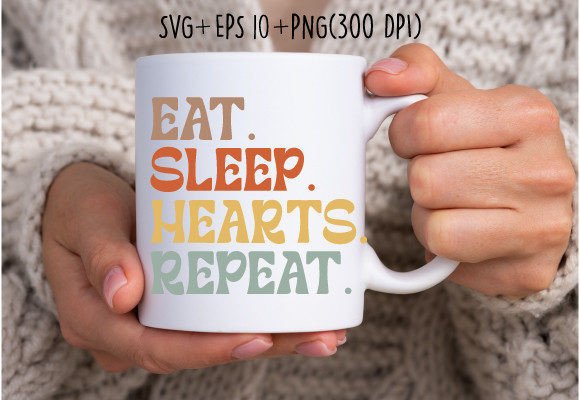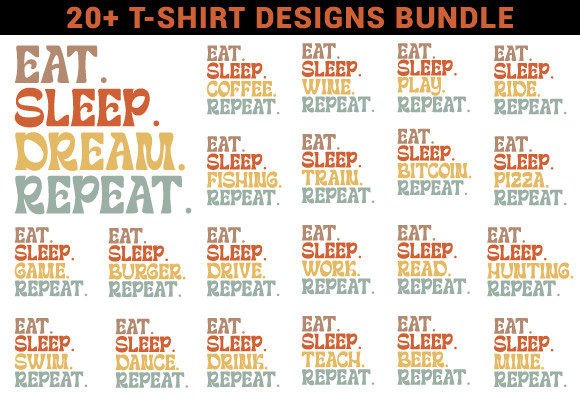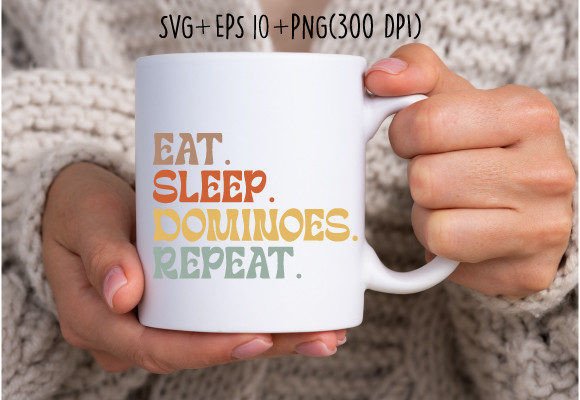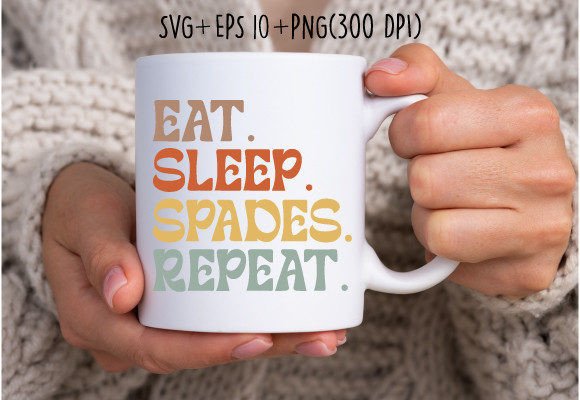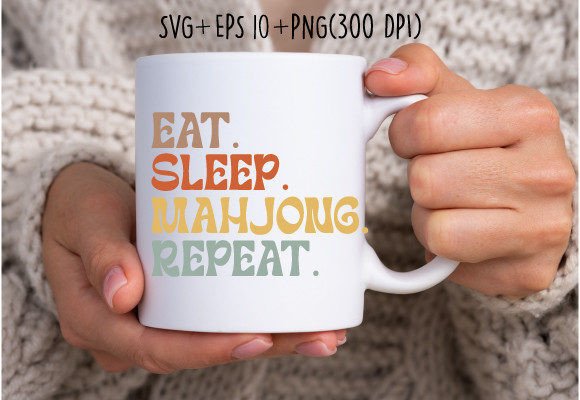
Eat Sleep Mahjong Repeat SVG Typography Review
As a professional embroidery digitizer and product reviewer, I approach every new machine embroidery design with a critical eye toward stitchability and marketability. When evaluating the Eat Sleep Mahjong Repeat Svg Typography for real-world application, my primary focus is how this graphic translates from a digital vector into physical thread. This design targets a passionate niche audience, and for Etsy sellers and craft business owners, it represents a specific opportunity to create merchandise that resonates deeply with mahjong enthusiasts. However, typography in embroidery requires careful technical consideration to ensure the final handmade product maintains professional integrity.
First Impressions and Visual Personality
Upon opening the included SVG and EPS 10 files, the layout of Eat Sleep Mahjong Repeat Svg Typography presents a clean, rhythmic structure. The repetition creates a visual cadence that mimics the actual gameplay loop, which is a clever thematic touch. For an embroidery project, this linear arrangement is generally favorable because it allows for predictable hooping and stabilization. The mood is playful yet structured, striking a balance between casual humor and dedicated hobbyist pride. As a digital embroidery file, the vectors appear crisp, but as an embroiderer, I immediately assess whether these shapes are optimized for needle penetration or merely for screen printing. The 300dpi PNG transparent file is excellent for creating a printable mockup to show clients before stitching, but the vector paths must be scrutinized for corner sharpness and curve smoothness to prevent jagged edges in satin columns.
Real-World Application: The Custom Tote Bag Test
To truly evaluate this asset, I mentally mapped it onto a practical scenario: producing a custom canvas tote bag for a local mahjong club fundraiser. Canvas is a forgiving fabric, making it an ideal substrate for testing stitch density and registration. In this context, Eat Sleep Mahjong Repeat Svg Typography serves as more than just decoration; it acts as community branding. When planning this tote bag design, I considered how the text would interact with the weave of the canvas. A bold, repeating phrase needs sufficient underlay to prevent the fabric grain from distorting the lettering. If I were executing this as a commercial run for a small shop product, I would likely use a combination of fill stitches for larger letters and satin stitches for emphasis, ensuring the design remains legible even when the bag is slung over a shoulder. This specific use case highlights the design’s strength as a unifying symbol for group merchandise or personalized gifts for players.
Technical Performance Across Different Substrates
Versatility is key for any commercial embroidery asset. While the tote bag scenario works well, applying Eat Sleep Mahjong Repeat Svg Typography to apparel introduces different variables. On a sweatshirt, the fleece backing provides stability, but the pile surface can swallow fine details. Here, the designer must ensure the embroidery file has adequate pull compensation. Conversely, if adapting this for baby embroidery on a onesie or bib, the design size must be scaled down significantly. This is where caution is required. Reducing typography often leads to loss of clarity if the original vectors weren't designed with small-scale embroidery in mind. For custom apparel like performance tees, the stretch factor demands a specialized stabilizer and potentially a lighter stitch type to avoid puckering. As a reviewer, I appreciate that the provided files offer flexibility, but the end-user must adjust digitizing parameters based on the specific garment weight and texture.
Critical Considerations for Hooping and Fabric Choice
Not every surface is suitable for this specific typographic layout. I advise against using Eat Sleep Mahjong Repeat Svg Typography on highly textured fabrics like terry cloth or thick cable knits without significant modification, as the repeating text may become lost in the pile. Similarly, curved surfaces such as caps present a challenge. Unless the design is specifically arched or segmented in the source file, forcing a straight, repeating line across a cap front will result in distortion and poor registration. For holiday embroidery items like plush stockings or velvet pillows, the nap direction affects how light reflects off the thread, which can alter the perceived contrast of the typography. Always verify your hoop size capabilities before committing to a production run. If the full repeat exceeds your maximum embroidery area, you will need to edit the design or split it, which requires advanced software skills. Checking these physical constraints prevents wasted materials and ensures the finished product meets quality standards.
Enhancing Product Value and Customer Trust
The difference between a generic craft item and a premium personalized gift often lies in execution. Using Eat Sleep Mahjong Repeat Svg Typography effectively signals to buyers that you understand their passion. However, sloppy stitching undermines that connection. High-quality thread colors that match the brand aesthetic or traditional mahjong tile colors (reds, greens, whites) enhance recognition. When listing this as a small shop product, clear photos of the actual stitch-out build trust far better than digital renders alone. Customers want to see that the satin stitches are smooth and the fills are solid. Furthermore, maintaining consistent tension and proper trimming elevates the perceived value. Whether you are selling the physical item or the design assets themselves, professionalism in presentation validates the price point and encourages repeat business from the crafting community.
Essential Designer Notes for Success
Before loading Eat Sleep Mahjong Repeat Svg Typography into your machine for a client order or inventory stock, adhere to these practical protocols:
- Test Stitch First: Never skip the test run on scrap fabric that matches your final project's weight and stretch. Verify that the stitch density is appropriate and no gaps exist between text elements.
- Check Licensing: Confirm the specific usage rights included with the file. Ensure you are permitted to sell finished commercial embroidery products versus just personal use, especially if scaling up production.
- Stabilizer Selection: Match your backing to the fabric. Use cut-away for stretchy knits and tear-away for stable wovens. For dark fabrics, consider a black stabilizer to prevent white backing from showing through sparse stitch areas.
- Contrast Verification: Test thread colors against both light and dark backgrounds. What reads well on screen may lack definition in thread. Adjust color values if necessary to maintain legibility.
- Mockup Accuracy: Utilize the included 300dpi PNG for listings, but always caption it as a digital preview if you haven't stitched it yet. Transparency builds long-term relationships with fellow makers and customers.
- File Compatibility: While SVG and EPS 10 are standard for vector editing, ensure your embroidery software imports them correctly without altering node counts, which could affect the eventual digitizing path.
Ultimately, Eat Sleep Mahjong Repeat Svg Typography is a strong contender for niche markets within the Crafts and Graphics categories. Its success depends entirely on the maker's willingness to adapt the digital asset to the physical realities of needle and thread. By treating this design with technical respect and creative intention, you can transform a simple repeating phrase into a cherished piece of mahjong culture that stands up to wear, washing, and the discerning eye of fellow enthusiasts.